How Long Do UPF Fishing Shirts Last?
High-quality UPF fishing shirts are designed with:
- Dense fabric construction
- UV-resistant fibers
- Performance polyester blends
- Protective weaving technology
That means the protection does not simply “wash out” after a few laundry cycles.
However, over time, several factors gradually reduce effectiveness:
- Fabric stretching
- Fiber breakdown
- Repeated sun exposure
- Abrasion
- Frequent washing
- Saltwater damage
The good news is that quality fishing shirts typically maintain strong UV protection for a long time before noticeable degradation occurs.
Most High-Quality Fishing Shirts Last 2–5 Years
For anglers who fish regularly, a well-made UPF fishing shirt often lasts:
- Around 2–3 years with heavy use
- 4–5 years or longer with moderate seasonal use
The biggest difference usually comes down to fabric quality.
Cheap fishing shirts may:
- Lose elasticity quickly
- Fade rapidly
- Feel rough after repeated washing
- Develop loose stitching
- Trap odor over time
Higher-quality shirts generally maintain:
- Breathability
- Shape retention
- Moisture-wicking performance
- Comfort
- UV protection
much longer.
Sunlight Is the Biggest Enemy
Ironically, the very thing fishing shirts are designed to protect against also contributes to their gradual deterioration.
Long-term UV exposure slowly weakens fabric fibers over time.
This is especially noticeable in shirts frequently used for:
- Offshore fishing
- Kayak fishing
- Flats fishing
- Tropical climates
- High-heat environments
Constant sunlight eventually causes:
- Fading
- Fabric thinning
- Reduced stretch
- Fiber weakening
This process happens slowly, but anglers who fish heavily year-round will eventually notice the difference.
Sunlight Is the Biggest Enemy
Long-term UV exposure slowly weakens fabric fibers over time.
This is especially noticeable in shirts frequently used for:
- Offshore fishing
- Kayak fishing
- Flats fishing
- Tropical climates
- High-heat environments
Constant sunlight eventually causes:
- Fading
- Fabric thinning
- Reduced stretch
- Fiber weakening
This process happens slowly, but anglers who fish heavily year-round will eventually notice the difference.
Saltwater Wears Shirts Out Faster Than Freshwater
Saltwater fishing is significantly harder on apparel.
Salt crystals gradually damage fibers and accelerate fabric breakdown if shirts are not rinsed properly after use.
Over time, salt exposure can lead to:
- Stiff fabric
- Reduced softness
- Faster fading
- Loss of flexibility
Freshwater environments are generally much less aggressive on fabric lifespan.
Washing Habits Matter More Than Most People Realize
Many anglers accidentally shorten the lifespan of performance shirts during washing.
High heat is particularly damaging to technical fabrics.
Frequent exposure to:
- Hot water
- High dryer temperatures
- Harsh detergents
- Fabric softeners
can gradually reduce:
- Elasticity
- Moisture-wicking ability
- Breathability
- Fabric softness
The best way to extend the lifespan of UPF fishing shirts is surprisingly simple:
- Wash cold
- Air dry whenever possible
- Avoid excessive dryer heat
- Skip fabric softener
These small habits can dramatically improve long-term durability.
Cheap vs Premium Fishing Shirts: Is There a Difference?
Usually, yes.
Not all fishing shirts are built equally.
Some lower-cost shirts focus heavily on appearance and branding while cutting corners on:
- Fabric density
- Stitching quality
- UV performance
- Long-term comfort
That is why some inexpensive shirts begin feeling rough or stretched after only one season.
Higher-quality performance shirts tend to hold up better because they use:
- Better polyester blends
- Stronger stitching
- More durable UV-resistant fibers
- Higher-quality moisture-wicking technology
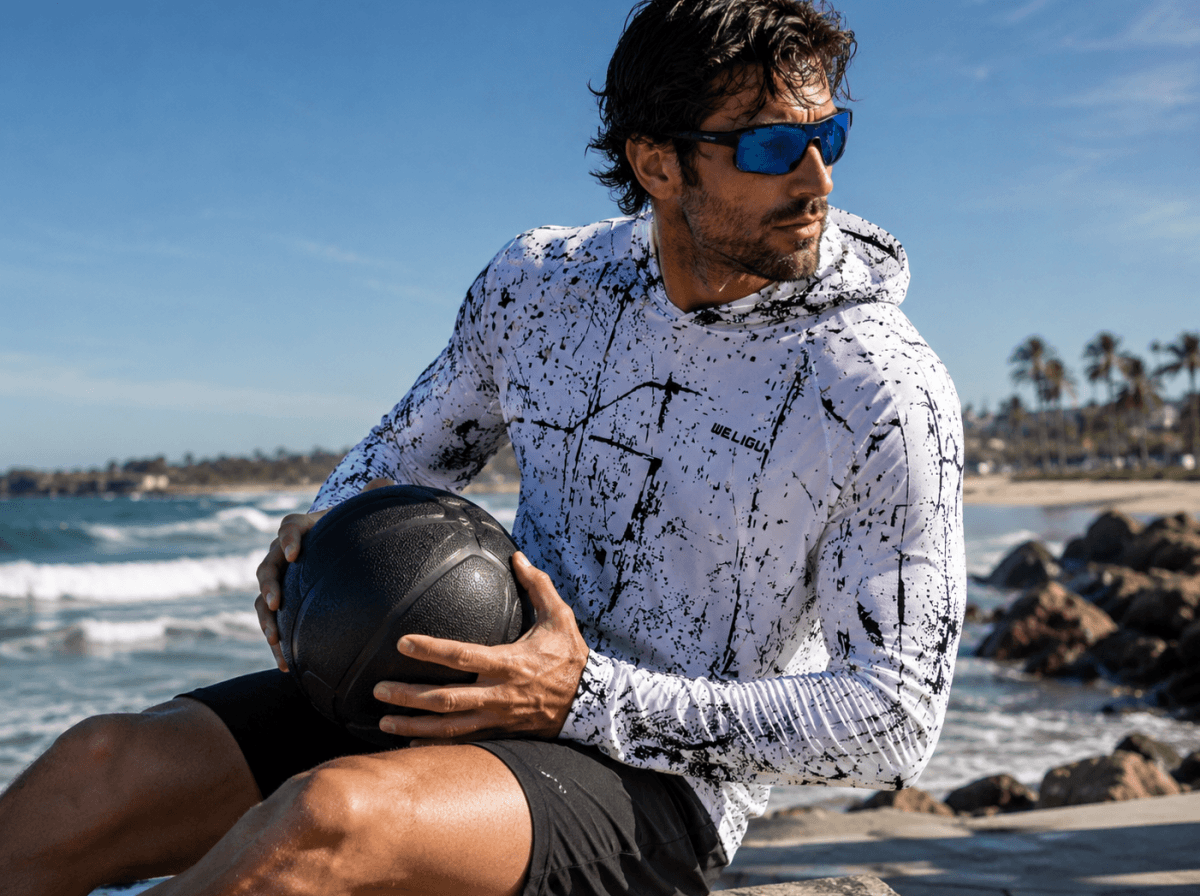
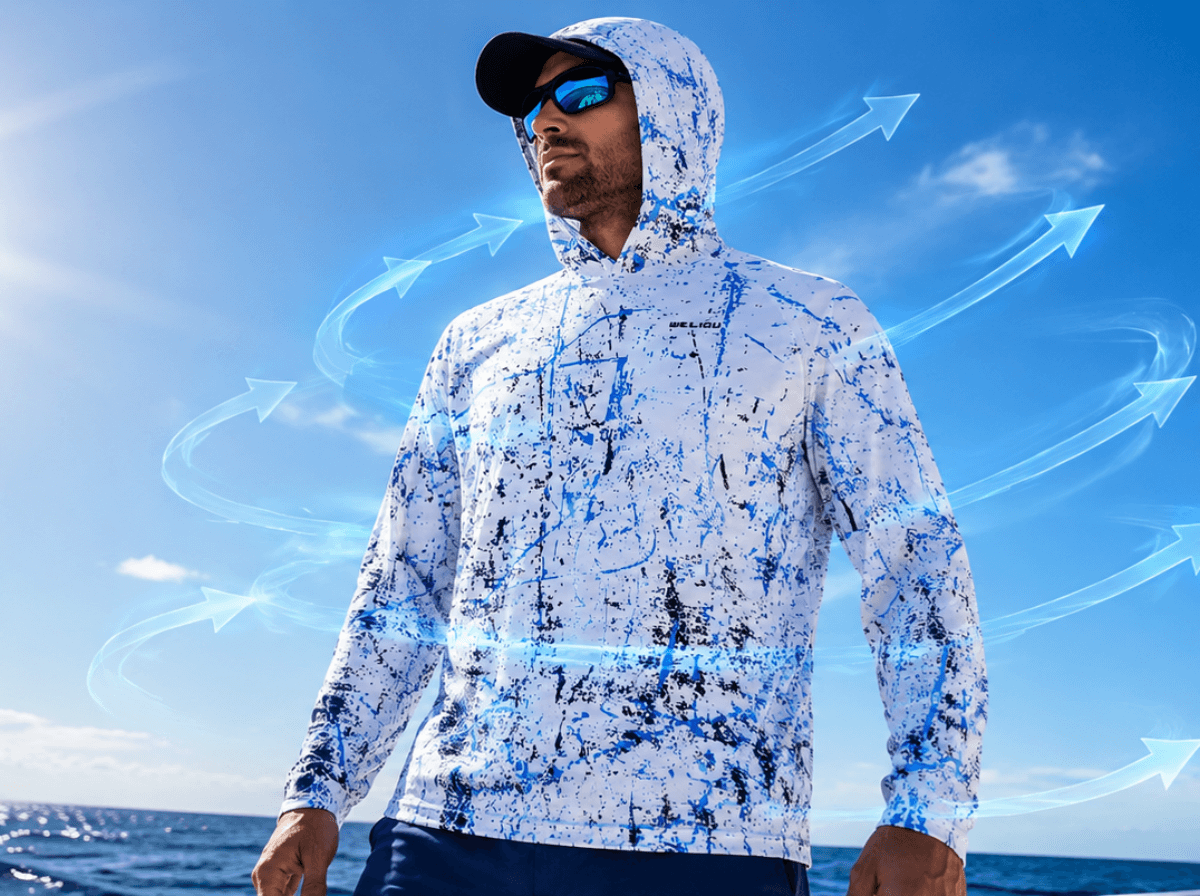
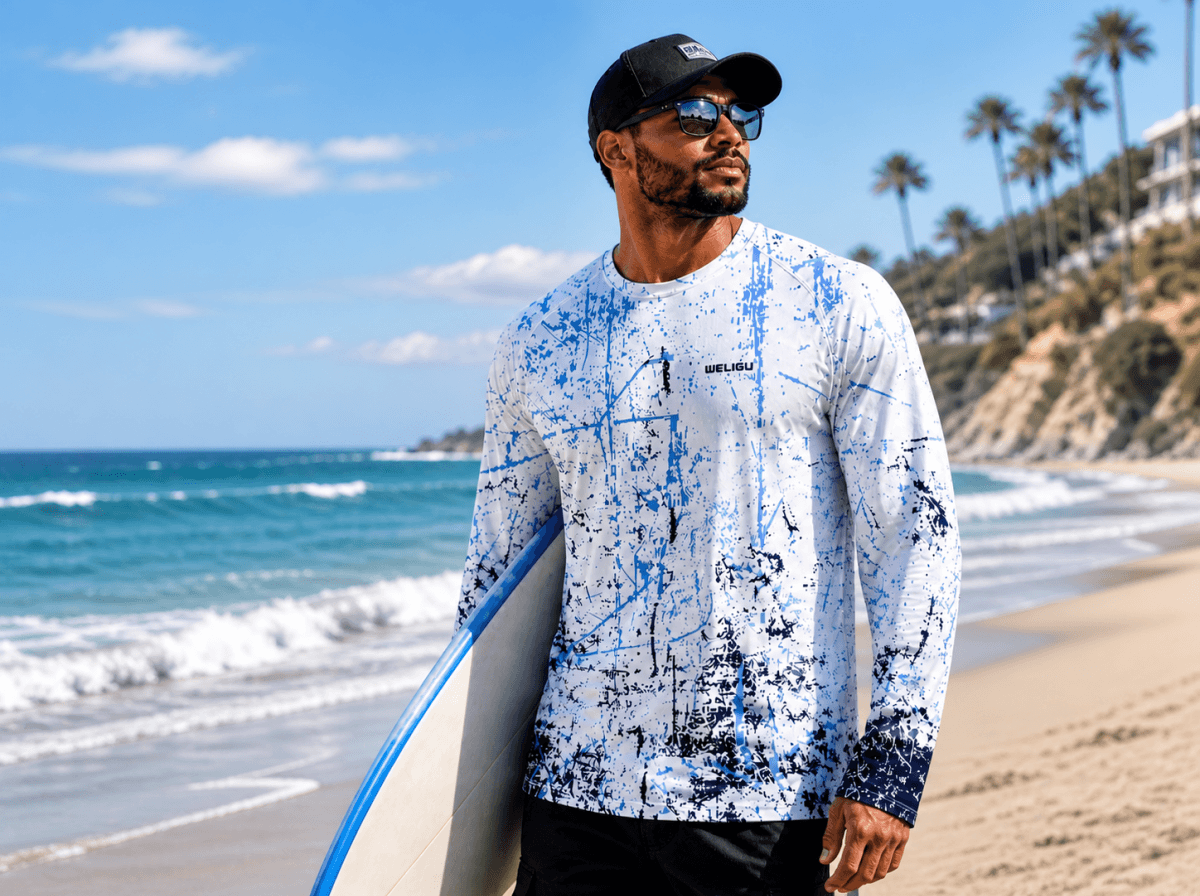
Well-designed performance apparel such as the WELIGU Men’s Fishing Shirts Collection is specifically built for repeated outdoor exposure, combining long-term comfort with lightweight sun protection for anglers who spend serious time outdoors.
Signs Your Fishing Shirt Is Wearing Out
Common signs of deterioration include:
- Fabric becoming thin or translucent
- Loss of stretch
- Persistent odor retention
- Reduced breathability
- Rough texture
- Fading in high-exposure areas
- Loose stitching
- Increased heat retention
Once a shirt begins feeling noticeably hotter or less comfortable than before, fabric performance may already be declining.
Can UPF Shirts Still Work After Fading?
Yes — to a point.
Fading alone does not automatically mean UV protection is gone.
However, severe thinning or excessive stretching often reduces overall protection because more UV radiation can penetrate weakened fabric.
A faded shirt may still function reasonably well if:
- Fabric density remains intact
- The material has not become overly thin
- Stretch has not degraded excessively
Are UPF Fishing Shirts Still Worth Buying?
For most serious anglers, absolutely.
Even if a shirt eventually wears out after years of heavy use, the benefits during that lifespan are substantial:
- Better UV protection
- Improved comfort
- Reduced heat fatigue
- Faster drying
- Less reliance on sunscreen
- Better long-term outdoor endurance