How to Avoid Sunburn While Kayak Fishing?
Cover Your Skin Instead of Exposing It
One of the biggest mistakes beginners make is assuming less clothing means more comfort.
A sleeveless shirt may feel cooler when launching the kayak, but several hours later the reality is very different.
Direct sunlight continuously heats exposed skin and increases the risk of:
- Sunburn
- Dehydration
- Heat fatigue
- Long-term skin damage
Experienced kayak anglers often wear:
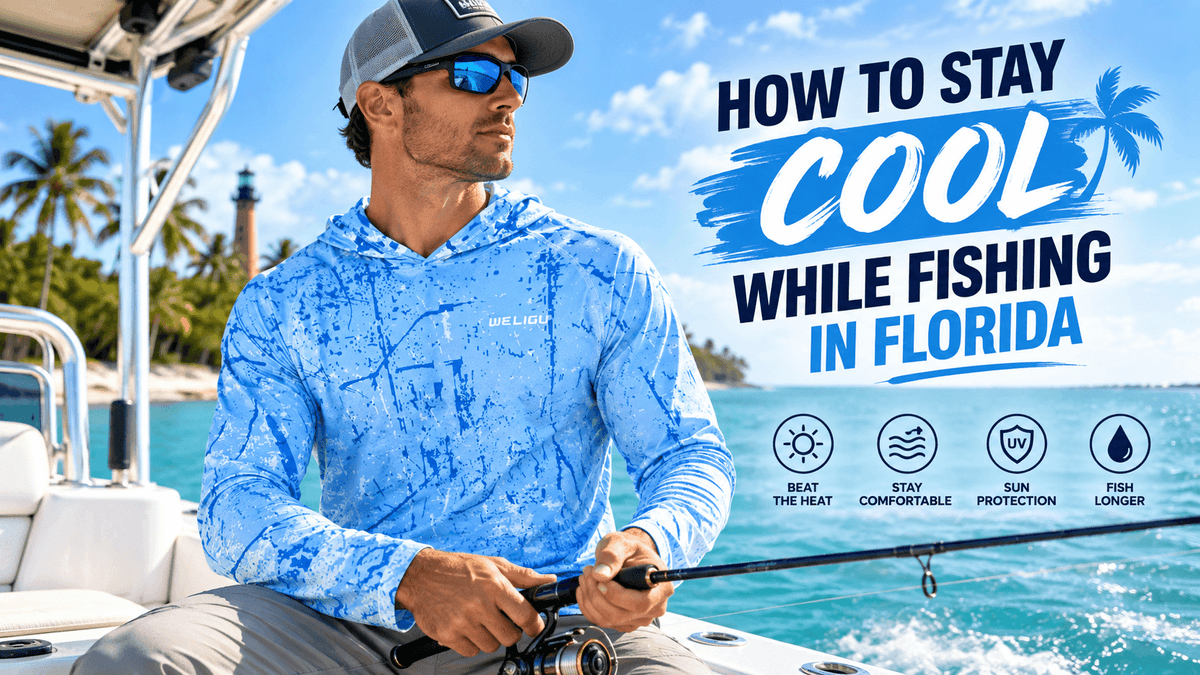
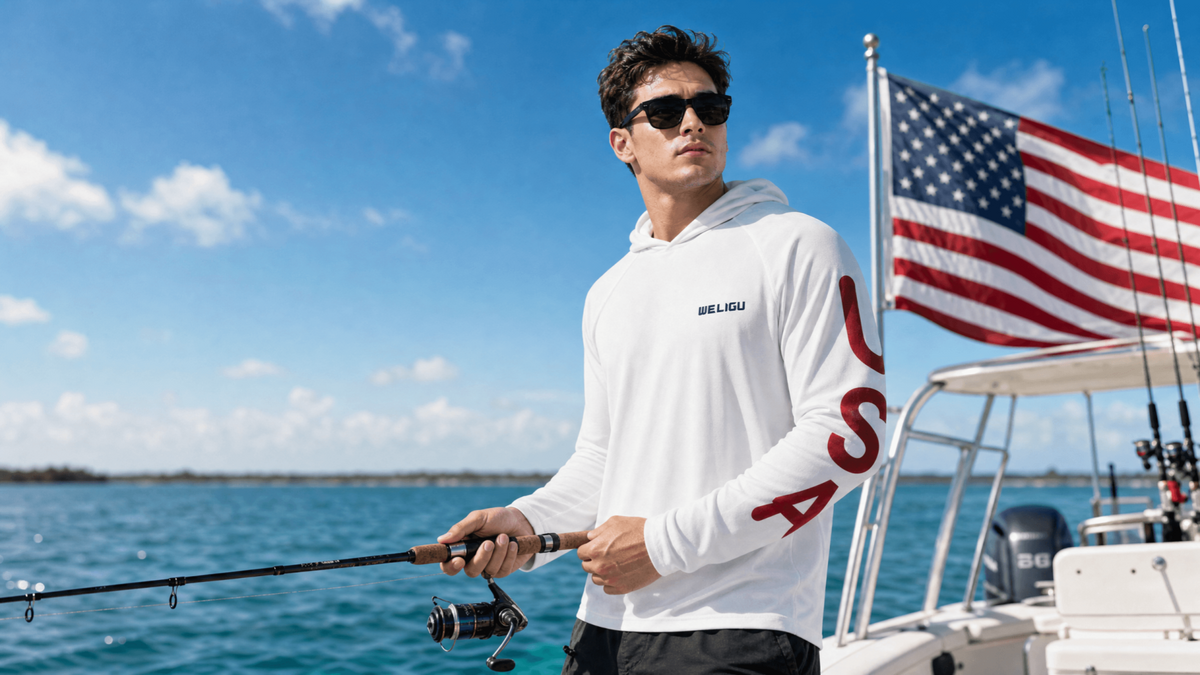
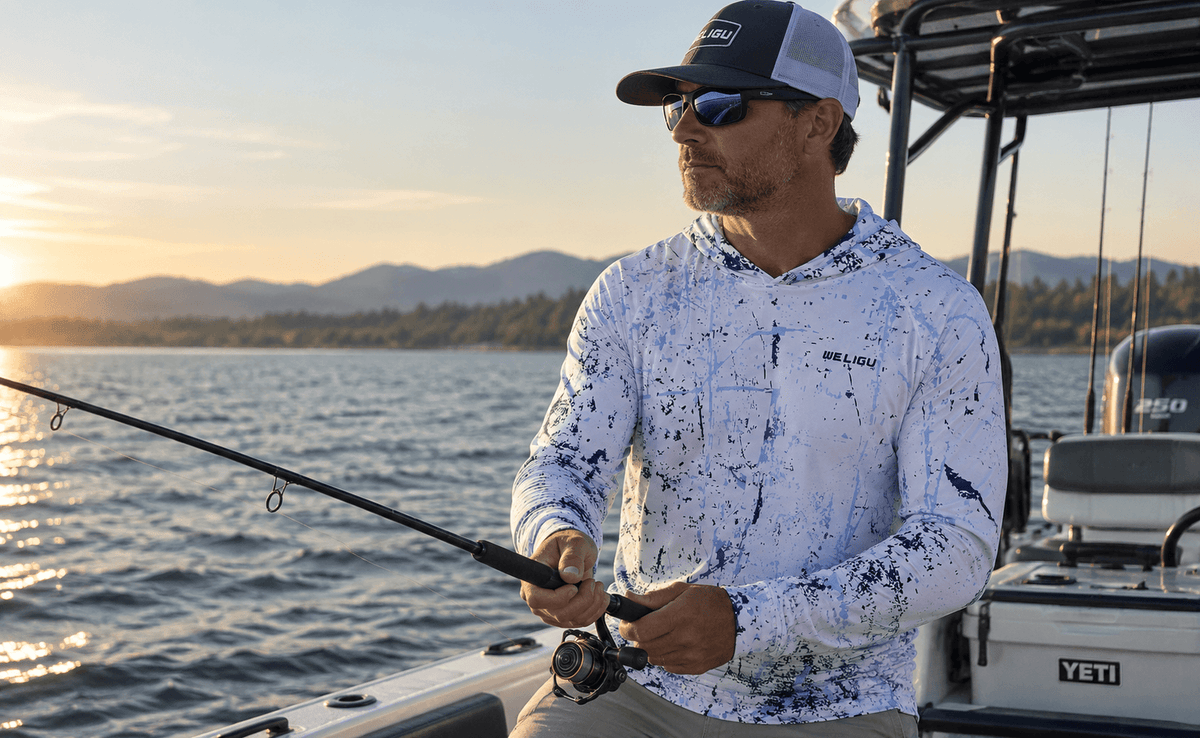
- Long sleeve UPF fishing shirts
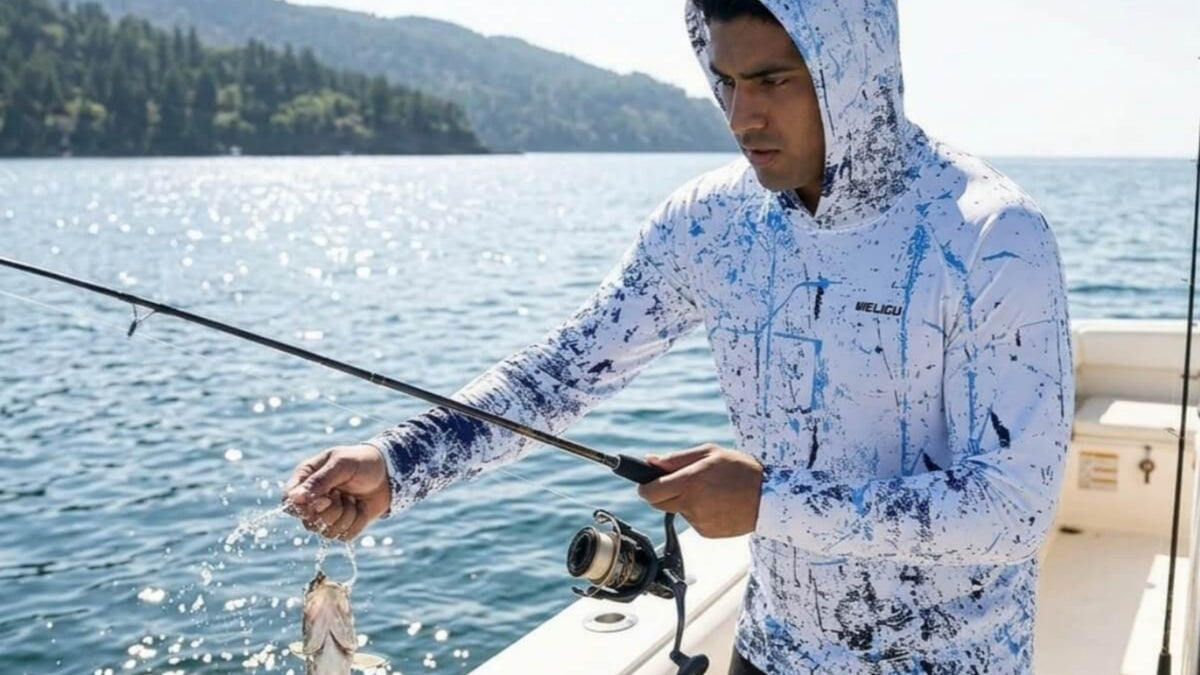
- Lightweight hooded sun shirts
- Neck gaiters
- Lightweight gloves
At first this seems excessive.
In practice, many anglers discover they actually feel cooler because their skin is protected from direct solar radiation.
Don't Forget Your Neck and Ears
If you ask experienced kayak fishermen where they burn most often, many will give the same answer:
The neck and ears.
These areas receive direct sunlight for hours and are frequently overlooked during sunscreen application.
A lightweight hood or neck gaiter provides continuous protection without requiring constant reapplication.
This is one reason hooded UPF shirts have become so popular among kayak anglers over the last decade.
Choose Clothing Designed for Hot Weather
Not all long sleeves are created equal.
Heavy cotton shirts may provide coverage, but once they become soaked with sweat they often:
- Feel heavy
- Dry slowly
- Trap heat
- Reduce comfort
Performance fishing apparel is designed specifically for prolonged outdoor exposure.
Look for shirts that offer:
- UPF 50+ protection
- Moisture-wicking fabric
- Quick-dry performance
- Lightweight construction
- Breathability
High-performance options such as the WELIGU Men's Fishing Shirts Collection are designed for anglers who spend long hours under direct sunlight and need both protection and comfort.
Stay Hydrated to Reduce Heat Stress
Sunburn and dehydration often occur together.
As the body loses fluids:
- Skin becomes more vulnerable
- Fatigue increases
- Recovery becomes harder
Experienced anglers drink water continuously rather than waiting until they feel thirsty.
During summer kayak trips, hydration should be treated as essential equipment, not an afterthought.
Plan Around Peak UV Hours
The strongest UV exposure typically occurs between:
- 10 AM
- 4 PM
Whenever possible, many kayak fishermen prefer:
- Early morning launches
- Evening fishing sessions
- Sunrise trips
Not only are conditions cooler, but fish activity is often better as well.
Avoiding the most intense UV hours can dramatically reduce your overall sun exposure.
Remember That Wind Doesn't Reduce UV Exposure
One common misconception is that a cool breeze means lower sun risk.
Wind may make you feel cooler, but UV radiation remains unchanged.
In fact, many anglers become sunburned precisely because the breeze masks how much sun exposure they're receiving.
Always judge risk based on sunlight, not temperature.
Why Experienced Kayak Anglers Rarely Get Severe Sunburn
Spend enough time around veteran kayak fishermen and you'll notice a pattern.
Most of them:
- Cover their skin
- Wear UPF clothing
- Use sunscreen strategically
- Stay hydrated
- Respect UV exposure
They don't rely on a single solution.
Instead, they combine multiple layers of protection.
That approach allows them to spend long days on the water without paying the price afterward.