How to Wash and Care for UPF Clothing: A Practical Guide
Start With the Garment Care Label
The care label should always be your first source of instructions. Different garments use different fibers, finishes, dyes, and construction methods. Advice that works for one fishing shirt may be too harsh for another.
For the WELIGU Men's UPF 50+ Sun Protection Fishing Hoodie, the recommended routine is straightforward: machine wash cold, do not bleach, and either hang dry or tumble dry on low. These simple steps help protect the fabric while removing the sweat and residue that build up during outdoor use.
If the care label and a general online guide disagree, follow the label attached to your garment. The manufacturer knows how that specific fabric was made and tested.
Why Proper Care Matters for UPF Clothing
UPF stands for Ultraviolet Protection Factor. A UPF rating describes how effectively a fabric limits ultraviolet radiation from passing through to the skin. UPF 50+ clothing is commonly chosen for fishing, boating, kayaking, hiking, beach trips, and outdoor work because it provides a dependable physical layer of sun protection.
That protection depends on the garment remaining in good condition. Excessive heat, aggressive chemicals, severe stretching, and worn or thinning fabric can affect how a shirt fits and performs. Proper washing also helps preserve the qualities that make a sun hoodie comfortable, including breathability, moisture management, softness, and quick drying.
Care is not about treating the shirt like a museum piece. It is about using a gentle, repeatable routine that cleans it without unnecessary stress.
How to Wash a UPF Fishing Hoodie Step by Step
1. Check the Pockets and Close Any Fasteners
Remove hooks, line clippers, receipts, and anything else that found its way into your pockets. A forgotten hook can damage the garment and other items in the wash. If the shirt has zippers or hook-and-loop fasteners, secure them so rough edges do not catch the fabric.
2. Turn the Garment Inside Out
Turning a printed or colored fishing hoodie inside out reduces direct friction against the outer surface. It also allows water and detergent to reach the areas that collect the most sweat, including the collar, underarms, lower back, and inside of the hood.
3. Use Cold Water
Cold water is a practical choice for performance clothing. It is gentler on fibers and colors than a consistently hot wash and is sufficient for routine sweat, dust, and light outdoor grime when paired with an appropriate detergent.
If a garment has a stubborn stain, treat the specific area rather than exposing the entire shirt to unnecessary heat. Always test any stain treatment on a discreet spot first.
4. Choose a Gentle Cycle
A normal or gentle cycle is usually enough for a fishing sun shirt. Avoid washing lightweight performance fabric with abrasive items such as heavy jeans, rough towels, or clothing with exposed hardware. A mesh laundry bag can add protection when the load contains mixed garments.
5. Use a Small Amount of Mild Detergent
More detergent does not automatically produce a cleaner shirt. Excess product may leave residue, especially in moisture-wicking fabric. Use the amount recommended for the load size and water conditions, and choose a mild detergent that is compatible with performance apparel.
6. Skip the Bleach
Do not use bleach on the WELIGU fishing hoodie. Harsh bleaching agents can damage fibers, affect color, and shorten the life of a technical garment. If odor or stains remain after a normal wash, repeat a gentle treatment rather than reaching immediately for a stronger chemical.
7. Hang Dry or Tumble Dry Low
Quick-dry fabric generally does not need high heat. Hang the garment in a ventilated place or use the dryer's low setting when the care label permits it. Avoid placing the shirt directly on a very hot surface.
Before storing it, make sure the hood, cuffs, and underarm areas are fully dry. Packing a damp shirt into a gear bag encourages odor and makes the next trip less pleasant.
Should You Use Fabric Softener?
Many performance-clothing owners avoid conventional fabric softener because it can leave a coating on technical fibers. That residue may interfere with the way a moisture-wicking or quick-dry fabric handles perspiration.
The safest rule is simple: check the care label and use only products approved for the garment. A properly washed sun hoodie should not need a heavy fragrance or coating to feel comfortable. Clean fibers, a thorough rinse, and complete drying usually do the job.
How Often Should You Wash a Fishing Sun Shirt?
There is no universal number because fishing conditions vary. A shirt worn for a short evening walk may not need the same treatment as one worn for eight hours in heat and salt spray.
Wash the garment after a trip when it is noticeably sweaty, stained, salty, or exposed to sunscreen, insect repellent, fish residue, or dirty water. Salt and body oils can build up around the neck, cuffs, and hood even when the shirt does not look dirty.
If immediate washing is not possible, rinse the hoodie in clean, cool water and let it dry before placing it in a hamper or travel bag. Do not leave a wet, tightly bundled garment in the trunk of a car.
Removing Common Fishing Stains and Odors
Sunscreen and Body Oil
Sunscreen often collects around the neckline, cuffs, and face covering. Gently work a small amount of suitable detergent into the area before washing. Avoid hard scrubbing, which can roughen lightweight fabric.
Fish Slime and Bait Residue
Rinse the affected area with cool water as soon as practical. Once home, pre-treat the spot and wash according to the label. Waiting until residue has dried completely can make odor removal more difficult.
Saltwater
After coastal or offshore fishing, rinse the entire garment in fresh water. Pay attention to cuffs, seams, thumb holes, and the hood. Salt crystals can remain after the visible moisture has evaporated.
Persistent Odor
Odor often means that detergent residue, body oil, or moisture remains in the fabric. Rewash the shirt with the correct amount of detergent and make sure it rinses and dries thoroughly. Avoid covering the problem with excessive fragrance.
Common UPF Clothing Care Mistakes
Most damage does not come from one dramatic accident. It comes from small habits repeated over time. Avoid these common mistakes:
- Using hot water when the label calls for cold
- Adding bleach to remove ordinary stains
- Drying lightweight fabric on excessive heat
- Leaving a wet shirt compressed in a bag or vehicle
- Washing it with sharp hardware, hooks, or abrasive gear
- Using too much detergent or fabric treatment
- Ignoring thinning, stretched, or damaged areas
A careful routine takes only a few extra minutes and can keep the garment looking and feeling better across many outdoor seasons.
How to Store UPF Clothing Between Trips
Wash and dry the garment completely before long-term storage. Fold it loosely or hang it in a clean, dry space away from chemicals, direct heat, and sharp equipment. Keep fishing hooks and tools in a separate tackle container rather than in clothing pockets.
For a multi-day trip, pack a clean hoodie in a dry bag. A second lightweight sun shirt is useful when the first one is wet or being rinsed. Because quick-dry garments take up little room, carrying a spare is usually easier than trying to wear a damp shirt all day.
When Should You Replace a UPF Fishing Hoodie?
Even well-cared-for outdoor clothing eventually wears out. Inspect your shirt in bright light and look for thin patches, holes, pulled seams, permanent stretching, or areas that have become noticeably transparent. The shoulders, upper back, elbows, cuffs, and thumb holes usually receive the most friction.
Also consider fit. A garment that has become too tight may stretch more than intended, while an excessively loose or damaged hood may no longer cover the neck and ears effectively. Replace the shirt when wear prevents it from providing the coverage and comfort you bought it for.
A Fishing Hoodie Designed for Easy Care
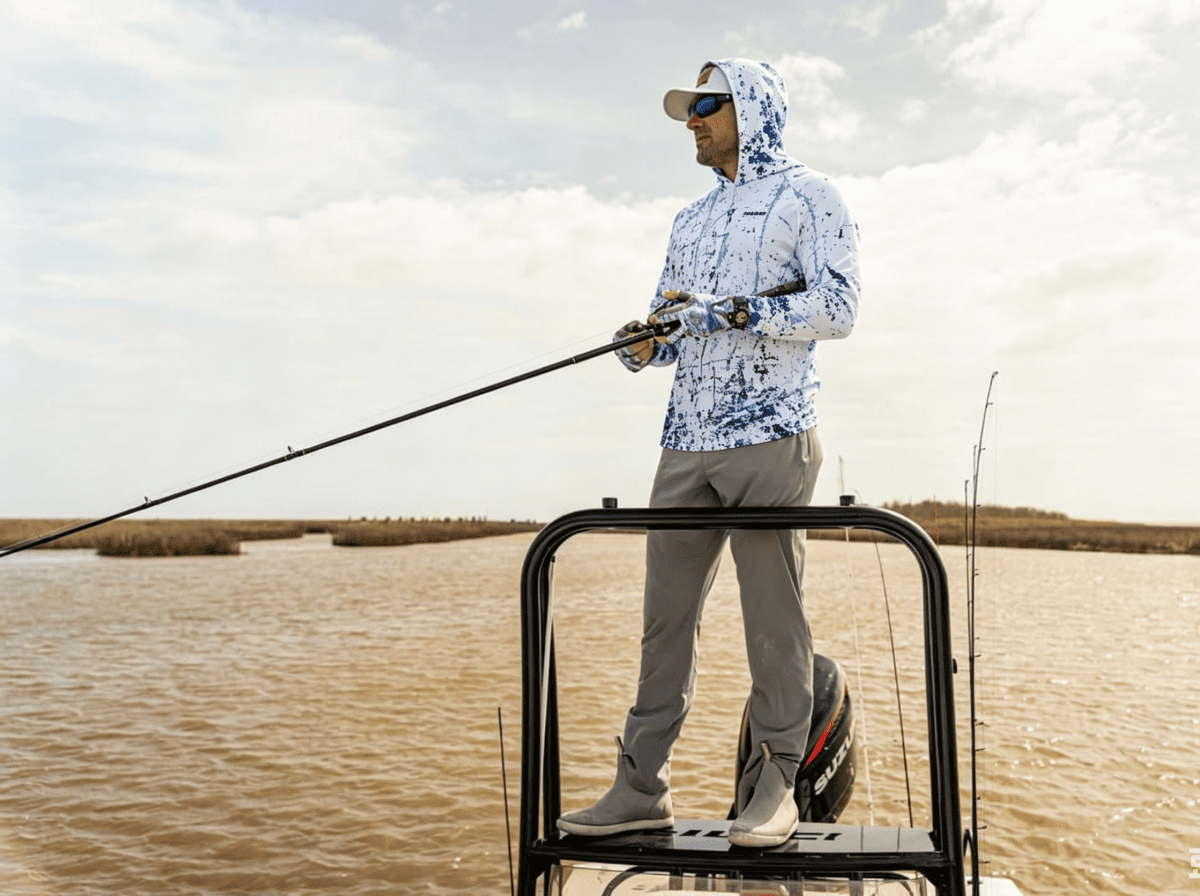
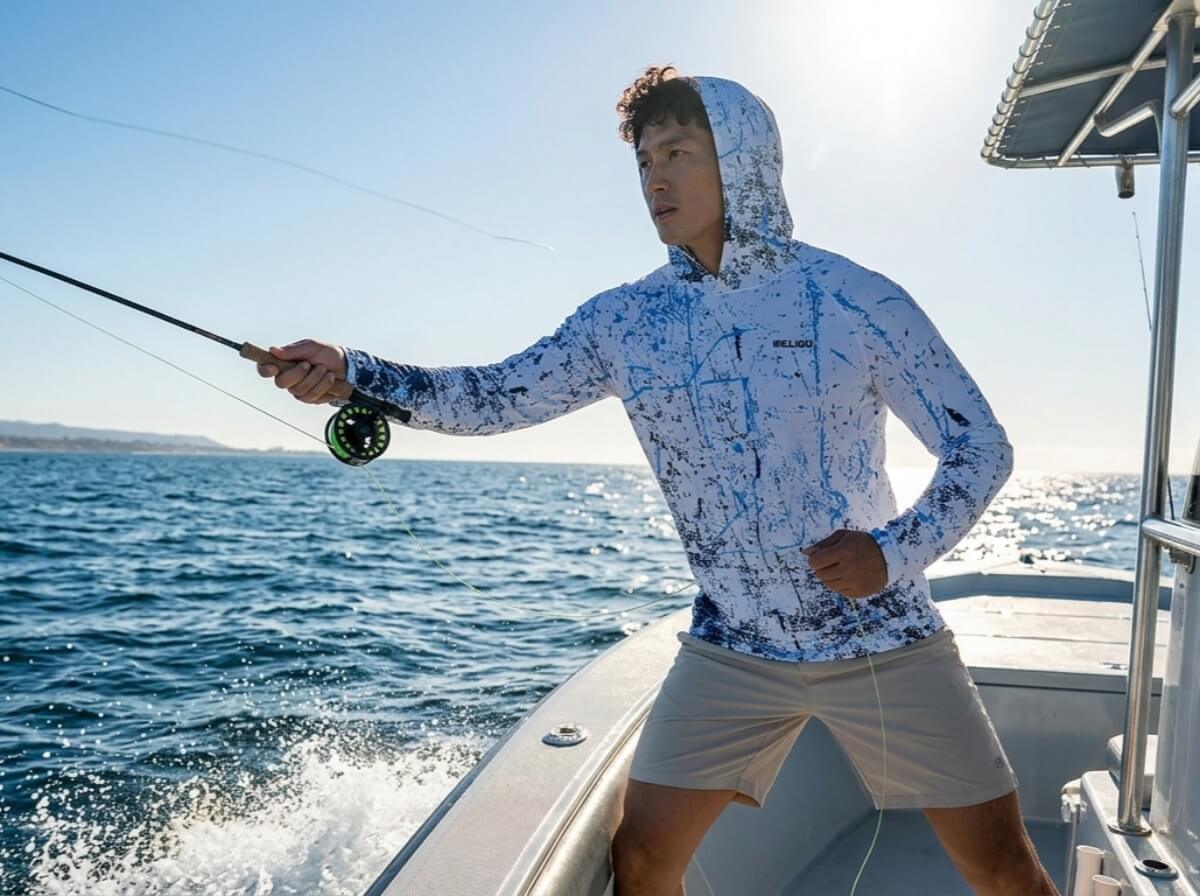
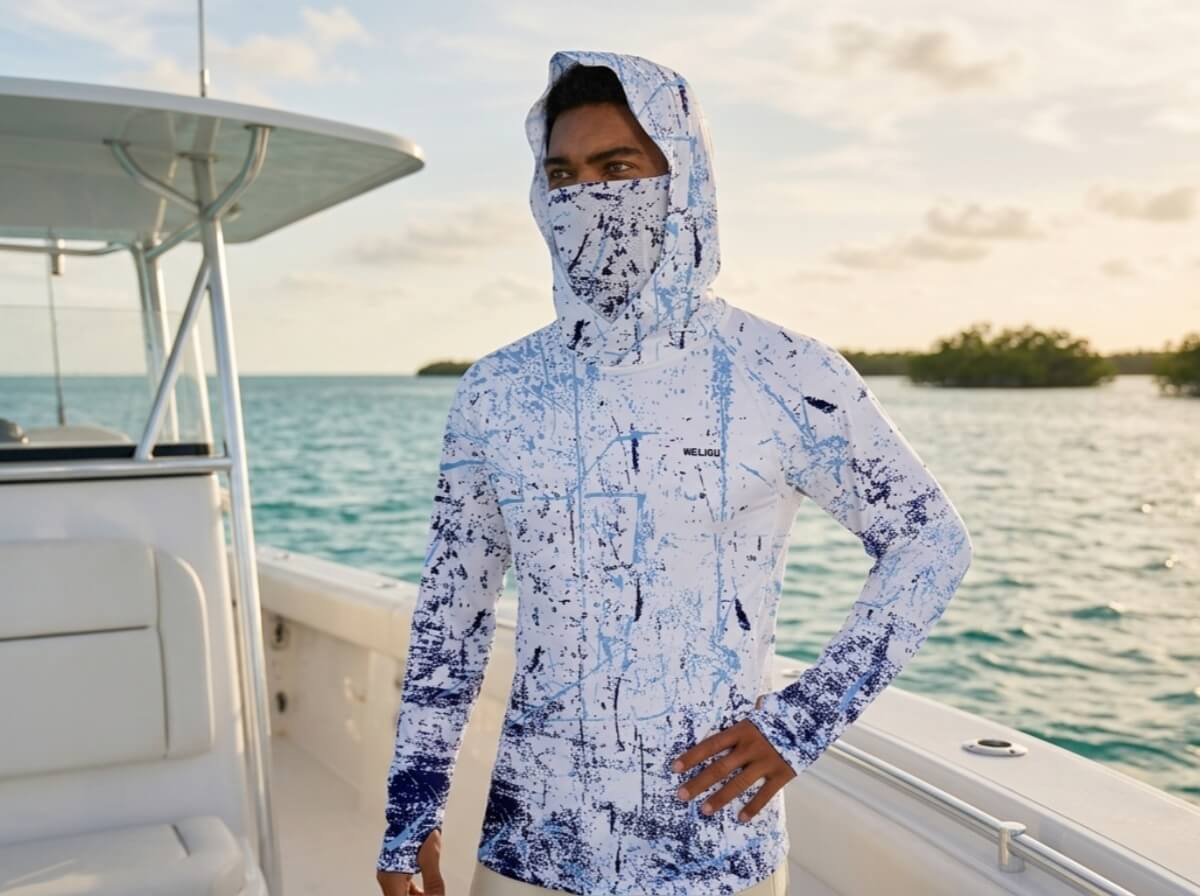
The WELIGU Men's UPF 50+ Sun Protection Fishing Hoodie combines UPF 50+ protection with ultra-light, breathable, quick-dry fabric. Its built-in hood and thumb holes extend coverage around the neck, ears, wrists, and hands, while the lightweight construction is designed for hot-weather activities.
It is machine washable and suited to fishing, boating, hiking, running, gardening, beach days, and other outdoor routines. For care, machine wash it cold, do not bleach, and hang dry or tumble dry low.
A simple garment is easier to use consistently. When sun protection can go from the water to the washing machine and back into your gear bag without a complicated routine, it becomes a dependable part of every trip.
Final Thoughts
Learning how to wash UPF clothing is mostly a matter of avoiding extremes. Use cold water, mild detergent, a sensible cycle, and low drying heat. Skip bleach, keep sharp fishing equipment out of the laundry, and never store the hoodie while it is damp.
Clean the garment after sweaty, salty, or messy trips, then inspect it periodically for thinning and damage. These habits help preserve its fit, comfort, color, quick-dry performance, and useful coverage.
Your fishing hoodie is working while you cast, paddle, hike, and stand under an open sky. Give it a straightforward care routine in return, and it will be ready when the next clear morning calls you back outside.